

A Number That Is Not a Matter of Taste
A chimney has to stick up above the roof by a set amount, and that figure comes from code, not preference. Building code, working alongside NFPA 211, sets a termination height requirement built around how smoke and combustion byproducts behave once they leave the flue, and around how nearby rooflines affect draft. For homes across Rancho Palos Verdes, Rolling Hills Estates, and the flatter neighborhoods of Torrance and Long Beach, understanding this rule explains why a chimney that looks perfectly normal from the driveway can still fail an inspection.
This article covers what the termination height rule requires, the reasoning behind the specific numbers, and how local wind conditions factor in without changing the requirement itself.

The Rule Itself
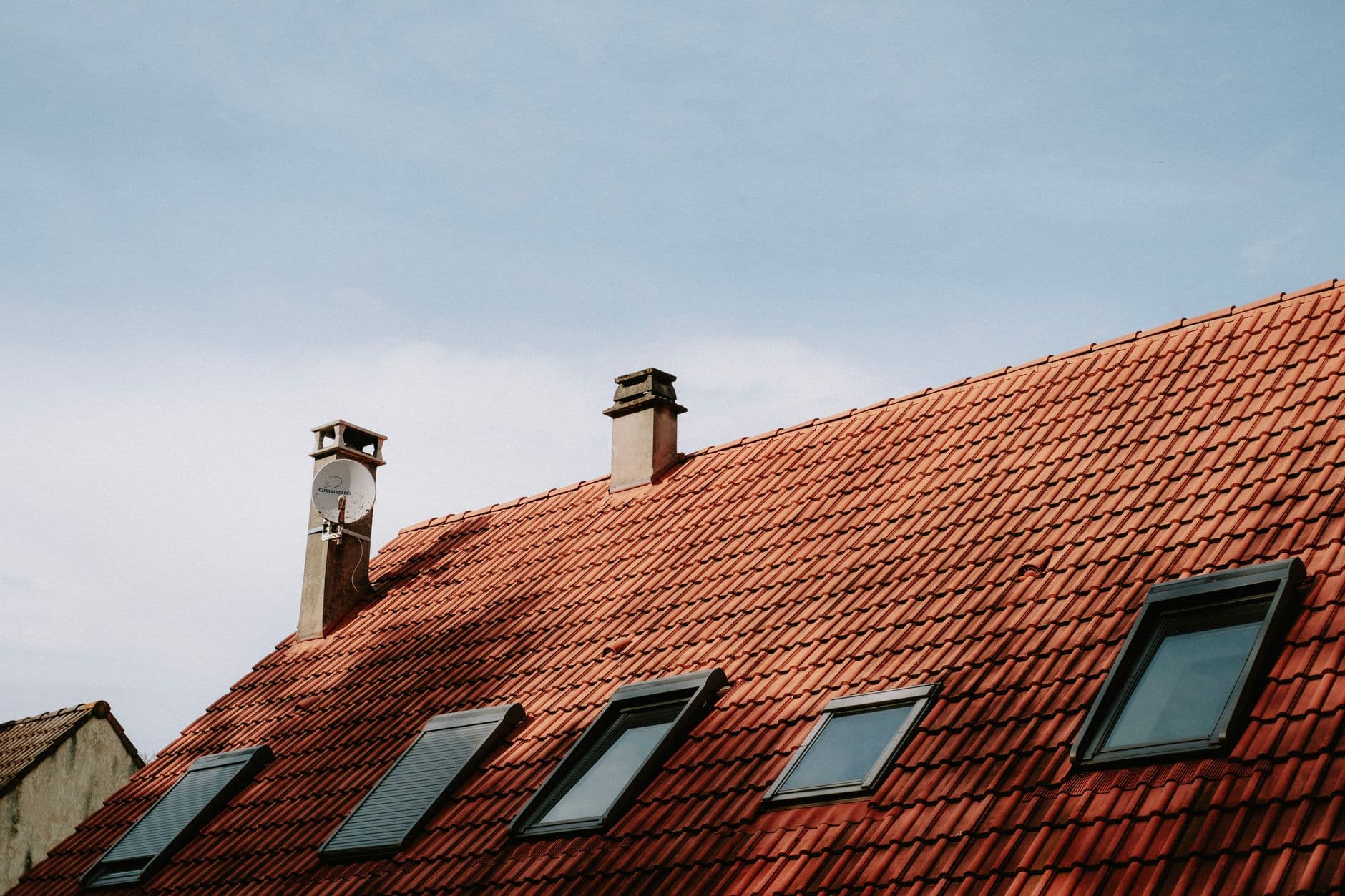
Trade circles call it the 3-2-10 rule, and the name lays out the math itself. Three feet is the minimum rise above wherever the chimney breaks through the roof surface. Two feet is how much higher the termination needs to sit above any roof section or structure that falls within a ten-foot horizontal reach of it. Both parts have to check out simultaneously, not just one or the other. A stack that clears its own roof penetration by a full three feet can still miss the mark if a ridge, a dormer, or a second-story wall inside that ten-foot circle sits taller than the two-foot buffer allows.
The Reasoning Behind Each Number
The three-foot minimum gives hot gases and any sparks leaving the flue enough room to disperse before reaching roof level, where they could ignite roofing material or nearby brush. The two-foot, ten-foot portion addresses a different problem: air moving across a roof or around a nearby structure creates turbulence, and a termination sitting too close to that turbulence can pull smoke back down the flue instead of letting it vent upward. Extra height above nearby obstructions keeps the termination in cleaner, steadier air.
Roof Pitch and Layout Change the Math
Roof pitch is not a side detail here. A steep custom roof, the kind common on hillside builds around Rancho Palos Verdes and Rolling Hills Estates, shifts exactly where a technician starts measuring from, and that shift alone can raise what the chimney needs to clear compared with a flatter roof nearby. Add a dormer, a second story, or a multi-level roofline, all frequent additions in the expanded, remodeled homes scattered across Torrance and Long Beach, and there is now a new obstruction sitting inside that ten-foot circle that simply did not exist when the chimney was first put up. Any time a remodel changes the roofline, that is the moment to have someone recheck height against how the roof actually looks today, not how it looked originally.
The Cap Sits at That Height, but Is a Separate Piece
The cap and its spark arrestor mesh sit at the top of the chimney, right at the height the rule establishes, but they do a different job. The cap keeps rain and debris out of the flue opening, while the mesh stops embers while still letting smoke draft normally. Correct termination height puts that assembly into clean airflow; a properly fitted cap then keeps water and animals from becoming a separate problem once it is there.
Wind Exposure Does Not Move the Number
A house perched on the bluffs of Rancho Palos Verdes or up on a Rolling Hills Estates hilltop catches wind that a lot sitting further back in Torrance simply never feels. None of that changes the three-foot, two-foot minimum on paper; the code text does not carve out an exception for a breezier lot. What a windier site actually changes is judgment on the margin above that minimum, plus how much muscle goes into anchoring the cap so it holds through steady coastal gusts instead of the occasional inland puff a sheltered property deals with.
What the Rule Does Not Touch
The termination height requirement says nothing about cap material, chimney color, or overall look. It sets a minimum height and a minimum clearance from nearby structures, and that is where its scope ends. Material choice, stainless steel, copper, or something else, gets decided on durability and corrosion resistance, which matters more near the coast in Redondo Beach and Long Beach, but that choice has nothing to do with satisfying the height rule itself.
Where Inspectors Usually Find a Shortfall
The pattern that shows up most: a reroof or an addition changed the shape of the roofline, and nobody circled back to confirm the existing chimney was still tall enough for the new layout. Right behind that comes a slightly different miss, where the three-foot number checks out fine on its own, but a newly built second story or other structure now sits inside the ten-foot circle and the chimney never picked up the extra two feet that neighbor requires.
Spark Arrestor Sizing Is Its Own Requirement
Separate from height, the mesh screen at the termination point has its own sizing standard, set to stop embers while leaving enough open area for smoke to exit without excess resistance. Openings that are too small choke draft and collect debris faster than they should. Openings that are too large fail to stop sparks the way the screen is meant to. That balance is a separate consideration from height, though both requirements meet at the same point on the chimney.
Fixing a Shortfall the Right Way
When an inspection finds a chimney falls short of the required height, the fix usually means extending the actual flue and chimney structure upward, chase and all, rather than bolting a taller cap onto the existing termination point. The cap and mesh still have to sit at the corrected height once the structure underneath has actually been extended. Raising just the cap without extending what is beneath it does not satisfy the rule.
Frequently Asked Questions
Will swapping in a taller cap fix a height shortfall?
Not on its own. What gets measured is where the actual chimney structure ends, not wherever the cap happens to sit above it. Bolting a taller cap onto a stack that is still too short leaves the underlying problem exactly where it was.
Does a low-slope or flat roof get measured the same way?
The three-foot and two-foot, ten-foot numbers themselves do not change, but where a technician starts measuring from, and how the ten-foot obstruction radius gets applied, plays out differently on a flat roof than on a steep pitch. That is part of why each home gets measured on its own rather than assumed from a general rule of thumb.
Does confirming compliance require any special gear?
Not usually. A tape measure and a normal roof walk are typically enough for a technician to verify both the height above the roof penetration and the clearance to anything nearby, without bringing in equipment beyond what a routine roof visit already involves.
Getting Your Chimney Height Checked
If your home has gone through a reroof or an addition, or you are simply unsure whether the chimney height was ever checked against the current roofline, Sterling Chimney Experts verifies termination height across Rancho Palos Verdes, Rolling Hills Estates, Torrance, Redondo Beach, and Long Beach. Call (424) 263-9837 to schedule a check.
Need Professional Chimney Service?
Our CSIA-certified technicians are ready to help with all your chimney and fireplace needs. Contact Sterling Chimney Experts today for expert service throughout the South Bay / Palos Verdes service area.


